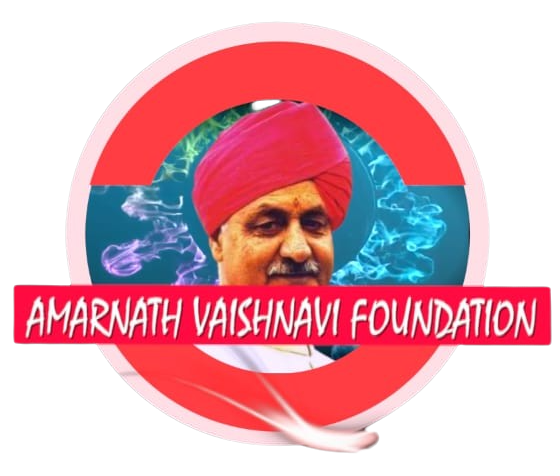
In the picturesque valley of Kashmir, 1960 marked a transformative moment in the history of Handwara. For the first time ever, the town celebrated India’s Independence Day with grandeur and patriotic fervour, thanks to the pioneering efforts of Pandit Amarnath Vaishnavi, a dedicated art teacher, NCC officer, and RSS swayamsevak.
The wounds of 1947 took a long time to heal. Kashmiri Pandits who had been the victims of Pakistan sponsored violence in the same year , paid the price for being a Hindu minority in Kashmir . Kashmir became a part of India formally on October 26, 1947. In the same year on 15th August when India was celebrating its midnight freedom from the British occupation, Kashmir’s fate was undecided. While the entire country would celebrate independence day in the subsequent years, Kashmir valley fell silent. Minority Hindu community whose heart was with Bharat, could not summon the courage to celebrate their freedom from the imperialist occupation of the past, on 15th of August every year.
Pandit Vaishnavi, known for his unwavering commitment to serving humanity without bias, left no stone unturned to persuade the authorities to set the stage for the landmark event for the very first time after 13 years of independence.Under his leadership as the NCC officer, the national flag was hoisted amidst a formal guard of honour and a spirited parade. Schools from across the region, as well as local police in uniform, enthusiastically participated. The event was graced by Handwara’s local MLA, Shri Gulam Qadir, who presided over the ceremony and took the salute.
Clad in full NCC uniform, Pandit Vaishnavi personally led the cadets during the parade. A moment of crisis arose when a flag mishandling incident threatened to mar the event, but his quick reflexes and presence of mind saved the day. He leapt forward to prevent the flag from bending at the saluting base, ensuring the celebration proceeded with dignity. This historic moment laid the foundation for annual Independence Day and Republic Day observances in Handwara, uniting the community in national pride.
However, this act of patriotism also drew the attention of the Intelligence Bureau, leading to Amarnath being placed under government surveillance for reasons that remain unclear.
Reviving Festivities and Cultural Heritage
Beyond Independence Day, Pandit Vaishnavi revitalized traditional festivals like Janmashtami and Dussehra in Kashmir. He brought back to life these celebrations, which had dwindled since 1947 due to fear and uncertainty. In Lolab and Sogam, he inspired communities to celebrate Janmashtami, while in Bhadrakali and Sopore, Dussehra became a grand annual affair, attracting thousands of attendees.
His efforts were instrumental in restoring confidence among locals. Students, deeply loyal to him, eagerly assisted in organizing these events. Among his devoted students, Chaman Lal, Abdul Ahad Sofi, and Nazeer Ahmad stood out, with Chaman Lal maintaining a lifelong bond with him.
He once visited the Army headquarter in Baramulla when he was posted there as teacher, to sensitise them towards the fear in which the minority community was living. He used to visit the homes of people randomly to know their wellbeing. Once he found that one Hindu household had painted their home with green colour. They had kept a Muslim attire handy to pose as Muslims in case they sensed danger. The army officers , convinced by his suggestions took out a flag march in the city the very next day, to restore the sense of safety and confidence amongst the residents in the Indian state and its army.
A Legacy of Leadership
After his transfer to Sogam, Pandit Vaishnavi continued his mission, training students in anticipation of securing an NCC unit for their school. Although initially disappointed by the lack of progress, a turning point came after an encounter with his spiritual mentor, “Dhuni Baba.” He encouraged him to wear his NCC uniform once again.
Vaishnavi resumed his duties with renewed vigour wearing his NCC uniform. Fate soon intervened and that day, a dispute among teachers escalated into chaos. Pandit Vaishnavi, blew whistle which surprised all but it set his students into action. His NCC-trained students pitched in and separated the two groups , putting them in two separate rooms. Order was restored. Days later, an NCC unit was sanctioned for the school—a development he humbly credited to his Guru’s blessings.
Under his official leadership, NCC training became a transformative force for his students, fostering discipline, unity, and pride.
A Lasting Impact
Pandit Amarnath Vaishnavi’s contributions went far beyond his role as a teacher. He infused a sense of patriotism and cultural pride into the fabric of Handwara, Baramulla, Kupwara, and Sopore. The customs he established—Independence Day, Republic Day, Janmashtami, and Dussehra celebrations—continued to resonate, shaping the identity and traditions of these regions.
Through his tireless efforts, he left an indelible mark on Kashmir’s history, inspiring generations to come.
Excerpt adapted from “The Chronicles of Kashmir (Biography of Sh. Amarnath Vaishnavi)” by Balkrishan Sanyasi.
 Amarnath Vaishnavi Foundation